
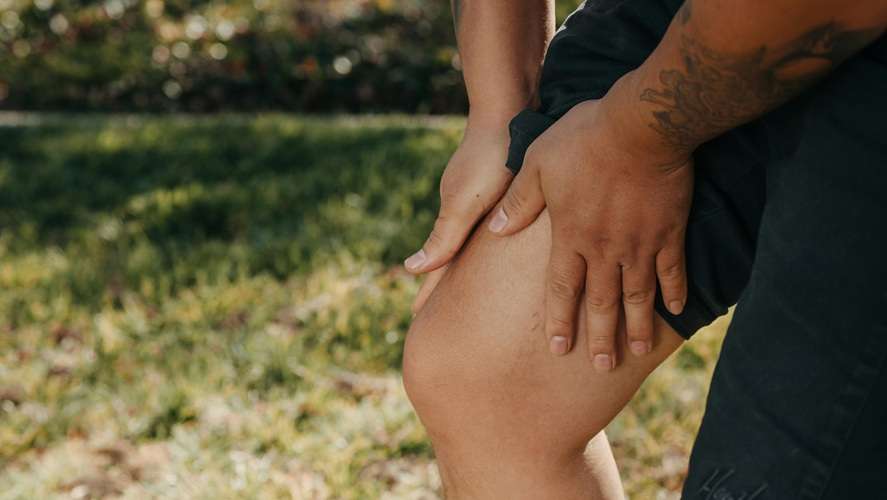
Meralgia paresthetica, a condition closely linked to lateral femoral cutaneous nerve entrapment, is characterized by sensations of numbness, tingling, or burning in the outer thigh. These discomforting sensations result from compression of the lateral femoral cutaneous nerve, which provides sensation to the skin of the thigh.
While the condition may be relieved by simple measures like wearing looser clothing, it can sometimes require more comprehensive treatments. This article explores meralgia paresthetica in depth, discussing its symptoms, causes, diagnosis, and available treatments, including self-care and one often-overlooked treatment option.
What Is Meralgia Paresthetica?
Meralgia paresthetica occurs when the lateral femoral cutaneous nerve becomes compressed or pinched. This nerve, originating from the lower spine, runs through the pelvis and into the thigh, supplying sensation to the skin of the outer thigh. Unlike many nerves, it does not control muscle function but is purely sensory. When compressed, the nerve sends abnormal signals to the brain, leading to unusual sensations like tingling, burning, or even a reduced ability to feel touch.
The condition is generally not dangerous, but it can be extremely uncomfortable and disruptive to daily activities. It affects people of all ages and genders but is more commonly seen in adults.
Symptoms of Meralgia Paresthetica
The primary symptoms of meralgia paresthetica include:
- Numbness: A reduced or absent sensation in the outer thigh area.
- Tingling: Often described as “pins and needles,” this can range from mild to severe.
- Burning Pain: A hot or stinging sensation that may intensify with activity.
- Heightened Sensitivity: The affected area may feel unusually sensitive to touch or pressure, even from clothing.
- Pain Worsened by Prolonged Activities: Walking, standing, or wearing tight clothing can aggravate symptoms.
These symptoms typically occur on one side of the body, but in rare cases, they may affect both thighs. The intensity of discomfort varies widely among individuals, with some experiencing mild symptoms and others suffering from significant pain that affects their quality of life.
Causes of Meralgia Paresthetica
Meralgia paresthetica is primarily caused by compression of the lateral femoral cutaneous nerve. This compression can result from a variety of factors, including:
- Tight Clothing: Wearing constrictive garments such as skinny jeans or belts can press on the nerve.
- Obesity: Excess weight increases pressure on the pelvis and surrounding nerves.
- Pregnancy: As the body changes during pregnancy, increased weight and abdominal pressure can lead to nerve compression.
- Trauma or Injury: Accidents or surgeries affecting the pelvis or lower back may damage or irritate the nerve.
- Repetitive Movements: Activities like running or cycling, which involve repetitive hip motion, can cause or exacerbate the condition.
Less common causes include diabetes, which can damage nerves, and tumors or masses that apply pressure to the nerve.
How Meralgia Paresthetica Is Diagnosed
A thorough diagnosis of meralgia paresthetica often involves a combination of a medical history review, physical examination, and diagnostic tests.
- Medical History: A healthcare provider will ask about symptoms, lifestyle habits, and any recent changes in weight, clothing, or activity levels.
- Physical Examination: Doctors may perform specific tests, such as pressing on the affected area or asking patients to move their legs, to pinpoint the source of discomfort.
- Imaging Tests: X-rays, MRIs, or ultrasounds may be ordered to rule out other conditions, such as spinal disc problems or hip joint disorders.
- Nerve Conduction Studies: In some cases, electrical tests are used to assess nerve function and confirm the diagnosis.
Accurate diagnosis is crucial to differentiate meralgia paresthetica from other conditions with similar symptoms, such as sciatica or peripheral neuropathy.
Typical Treatments for Meralgia Paresthetica
Treatment for meralgia paresthetica focuses on relieving nerve compression and managing symptoms. Options range from conservative approaches to more invasive interventions:
- Lifestyle Modifications: Weight loss, avoiding tight clothing, and reducing repetitive hip movements can alleviate symptoms.
- Injections: Corticosteroid injections near the nerve can reduce inflammation and provide temporary relief.
- Physical Therapy: Stretching and strengthening exercises can help improve posture and reduce nerve pressure.
- Surgery: In rare, severe cases, surgical decompression of the nerve may be necessary when other treatments fail.
At-Home, Self-Care Tips
For many individuals, simple at-home strategies can provide significant relief from meralgia paresthetica. These include:
- Wearing Loose Clothing: Opt for clothing that does not constrict the waist or hips.
- Applying Heat or Ice: Alternating between hot and cold packs can help reduce pain and inflammation.
- Resting the Affected Area: Avoiding prolonged standing or walking can prevent symptom aggravation.
- Stretching Exercises: Gentle stretches targeting the hip and thigh muscles can relieve tension around the nerve.
- Weight Management: Maintaining a healthy weight can reduce pressure on the pelvis and nerves.
How Chiropractic Care Can Help
Chiropractic care offers a non-invasive treatment option for meralgia paresthetica. Chiropractors use techniques to improve spinal alignment, reduce nerve compression, and enhance overall mobility. These treatments may include:
- Manual Adjustments: Targeted adjustments to the lower spine and pelvis can relieve pressure on the lateral femoral cutaneous nerve.
- Soft Tissue Therapy: Techniques like massage or myofascial release can address tension in the surrounding muscles.
- Posture Correction: Chiropractors can provide guidance on maintaining proper posture to prevent nerve compression.
- Stretching and Exercise Plans: Personalized plans help improve flexibility and strengthen muscles supporting the pelvis and lower back.
Patients should consult a qualified chiropractor with experience treating nerve compression disorders to ensure safe and effective care.
Living with Meralgia Paresthetica
Meralgia paresthetica is a manageable condition, but it can significantly impact daily life if left untreated. By understanding its symptoms, causes, and treatment options, individuals can take proactive steps to alleviate discomfort and improve their quality of life. Whether through lifestyle changes, medical treatments, or alternative approaches like chiropractic care, relief is achievable for most people with this condition. Schedule a chiropractic appointment online or call us today to begin your treatment of meralgia paresthetica.